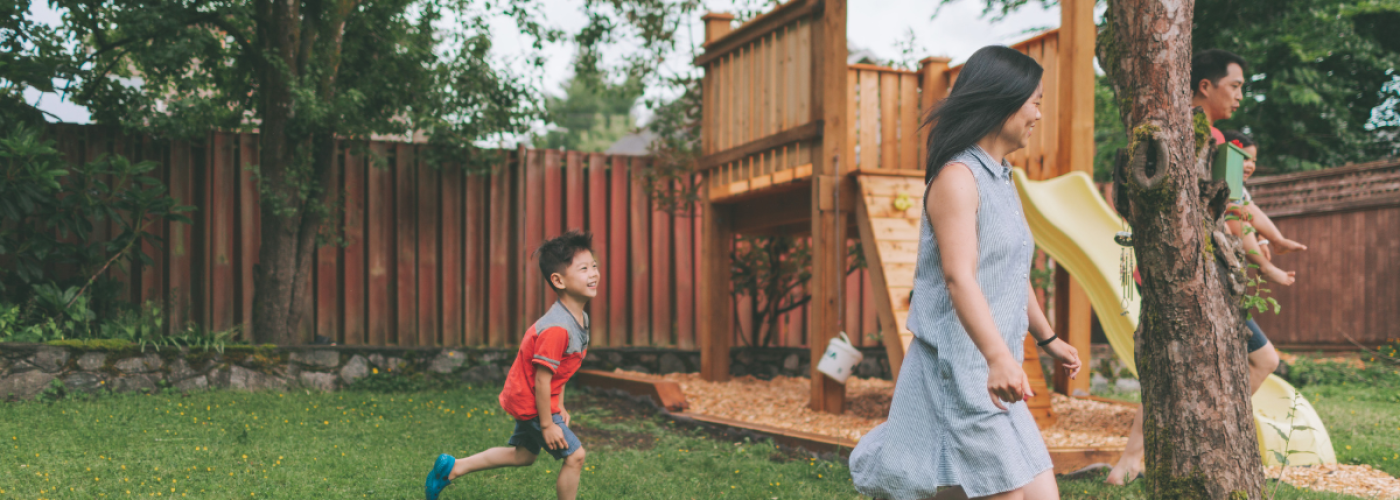
Outdoor play is essential for children. It helps them build strength, confidence, imagination, and social skills. As parents or caregivers, designing a yard that encourages active play while keeping safety in mind can feel like a big task. Fortunately, with thoughtful planning and a few smart choices, you can Transform Your Outdoor Space to make a secure and fun space your kids will love.
Start With Safety First
Before anything else, walk through your yard and take note of potential hazards. Look for sharp objects, loose stones, thorny plants, and areas where children could trip or fall. Make sure all garden tools, chemicals, and breakables are stored well out of reach.
Define the Play Zone
A clear play area helps keep children in sight and out of harm’s way. Use landscaping, ground cover, or physical barriers to define the space. One of the most effective ways to do this is with fencing.
Why Fencing Matters
A sturdy, well-placed fence offers more than just privacy. It gives you peace of mind by creating a boundary that keeps children safely within the yard and keeps pets or wildlife out. Choose fencing with smooth surfaces and minimal gaps to prevent climbing or entrapment. Wooden fences are a warm and classic choice, while vinyl options offer low maintenance. If visibility is important, consider picket or metal fencing Red Deer with spaced bars.
Choose the Right Ground Cover
Grass may be the traditional choice, but there are safer, softer alternatives for areas where children may fall. Rubber mulch, synthetic turf, or play sand can cushion impact and prevent scrapes. For a natural feel, consider planting durable ground covers like clover or moss in low-traffic spots.
Add Age-Appropriate Features
Tailor your outdoor setup to match your child’s age and developmental stage. For toddlers, consider soft play mats, mini slides, and shaded areas. Older kids may enjoy climbing structures, swing sets, or even a treehouse. If space allows, create zones for different types of play like creative, active, and quiet areas.
Incorporate Shade and Seating
Sun protection is crucial, especially during summer months. Trees, shade sails, or pergolas can offer coverage while also making the space more comfortable. Add a few benches or chairs so adults can supervise and relax at the same time.
Keep It Visible
Where possible, locate the play area in sight of the main living areas of your home such as the kitchen or family room. This allows for easy supervision even when you’re indoors. If your yard is large, consider adding lighting or a motion-sensor feature near the play space for visibility in the evening.
Encourage Creativity and Nature Play
In addition to traditional play structures, think about adding elements that spark creativity. A small sandbox, water table, chalkboard wall, or garden patch can encourage kids to use their imagination. Natural elements like logs, rocks, and plants also support sensory development and a deeper connection with nature.
Regular Maintenance is Key
Once your play area is set up, keep it safe by inspecting it regularly. Check for loose screws, worn materials, or signs of pest activity. Trim overgrown plants and clear any debris that may have blown in from storms or yard work.
A safe outdoor play area encourages kids to explore, move, and learn with confidence. By incorporating a secure fence, thoughtful materials, and creative features, you can build a backyard that supports healthy development and hours of fun. Best of all, you’ll have peace of mind knowing your little ones have a secure space to grow and play right at home.